
snook
Lines in the Shadows: Hunting Snook with Captain Mark
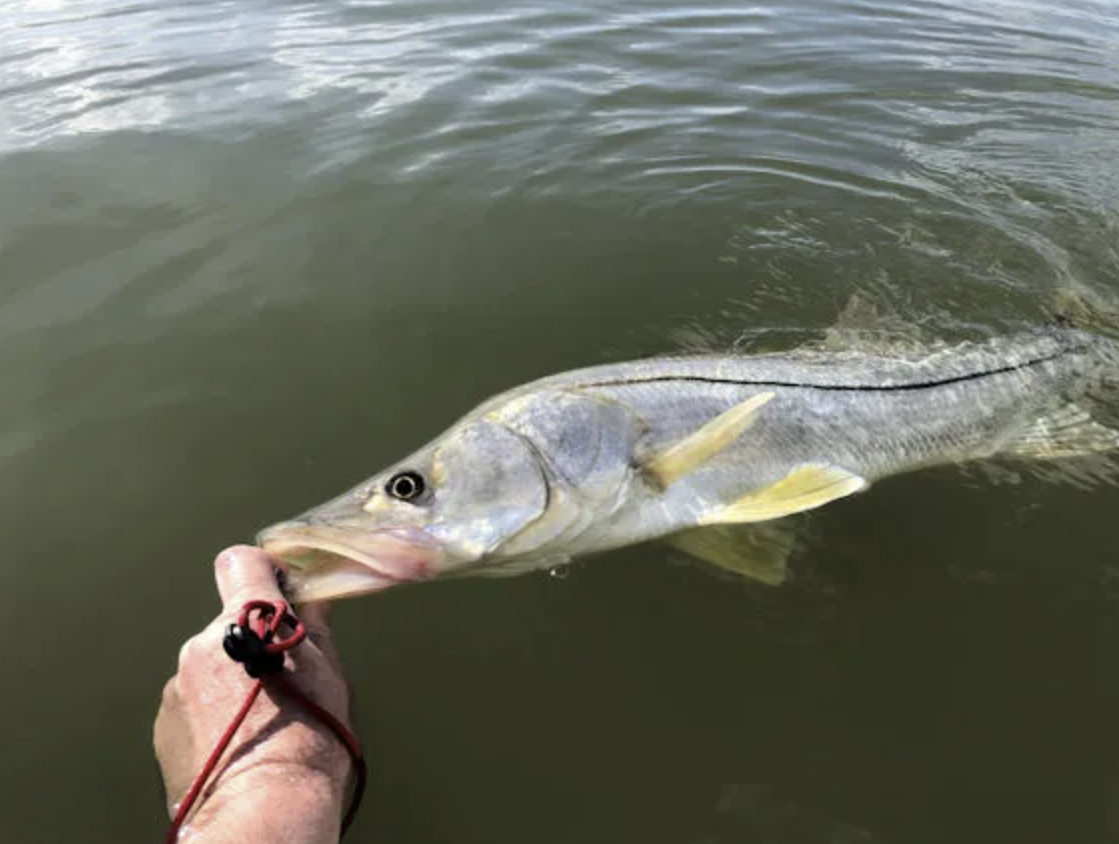
If there is one fish that defines the Florida West Coast lifestyle, it’s the Common Snook. With their aggressive strikes, acrobatic jumps, and that signature black lateral line, they are the undisputed kings of the mangroves. On my flats boat, we treat snook fishing like a tactical operation—it’s about stealth, precision casting, and knowing exactly where they’re hiding when the tide starts moving.
Understanding the Linesider: Habitat and Flow
Snook are ambush predators. They don’t like to work harder than they have to, so they sit in the shadows and wait for the current to bring them a meal. On the West Coast, we target them in three primary arenas:
-
The Mangrove Shoreline: This is the classic “snook game.” We look for “undercuts” in the roots and overhanging branches. If your lure or fly isn’t within six inches of the wood, you aren’t fishing.
-
Docks and Structure: Snook love the shade and barnacle-crusted pilings of coastal docks. These are the “heavyweight” spots where a big snook will try to break your spirit and your line in the blink of an eye.
-
Beach Troughs and Passes: During the summer months, snook move out to the beaches to spawn. Seeing a 30-inch fish cruising in knee-deep, gin-clear water is a sight you won’t soon forget.
Tackle and Techniques: The Freeman Setup
Snook are notorious for their “razor-blade” gill plates and their habit of diving straight into the nearest submerged log. We rig accordingly.
For the Fly Angler
This is where the polling platform really shines. I’ll position the boat so you have the perfect angle to “tuck” a fly under the mangroves.
-
Rod & Reel: An 8-weight or 9-weight fast-action rod is the tool of choice. You need the backbone to pull a fish away from the roots.
-
Fly Selection: We use high-profile baitfish patterns like Schminnows, DT High-Ties, and EP fibers. In the summer, white and chartreuse are deadly; in the backcountry, we go with darker “root beer” colors.
For the Light Tackle Angler
-
Precision Spinning: I provide 7-foot medium-heavy spinning rods with a fast tip for accurate casting. We use 20lb braid paired with a 30lb or 40lb fluorocarbon leader to handle those abrasive gill plates.
-
Lures: Topwater “walk-the-dog” plugs provide the most heart-stopping strikes. When they’re sitting deep, we switch to weedless jerkbaits or paddle tails that can skip deep into the shadows.
-
Live Bait: There is nothing a snook loves more than a “live chum” frenzy. We’ll use frisky pilchards (scaled sardines) or pinfish to pull the big girls out of cover.
Mark’s “Snook School” Pro-Tips
-
Skip It Like a Stone: To catch the biggest snook, you have to get your bait back where the sun doesn’t shine. I’ll teach you how to “skip” your soft plastic or fly across the surface to reach the back of the mangrove pockets.
-
The “First Five Seconds”: The fight is won or lost in the first five seconds. When a snook hits, you have to apply immediate pressure to steer them into open water. If you give them an inch, they’ll wrap you around a root and be gone.
-
Mind the Tide: Snook are tide-dependent. I prefer a strong incoming or outgoing flow. When the water stops moving, the snook stop eating—that’s when we move to the next “pinch point” where the current is still active.
-
Quiet Entry: My skiff has a whisper-quiet hull. When we’re stalking snook, I’ll be on the pole. I need you to stay low and keep your shadows off the water.
Why Book a Snook Charter?
Fishing with me isn’t just about throwing a hook in the water; it’s a masterclass in reading the West Coast backcountry. With a maximum of two anglers, we can work the tightest corners and the skinniest creeks where the big “Linesiders” feel safe.
Whether we’re sight-casting to “snook on the cruise” on a white sand beach or skipping lures into the dark heart of a mangrove forest, I’ll put you in the position to make the shot.
The tide is starting to move. Grab your gear and step aboard—the snook are waiting.